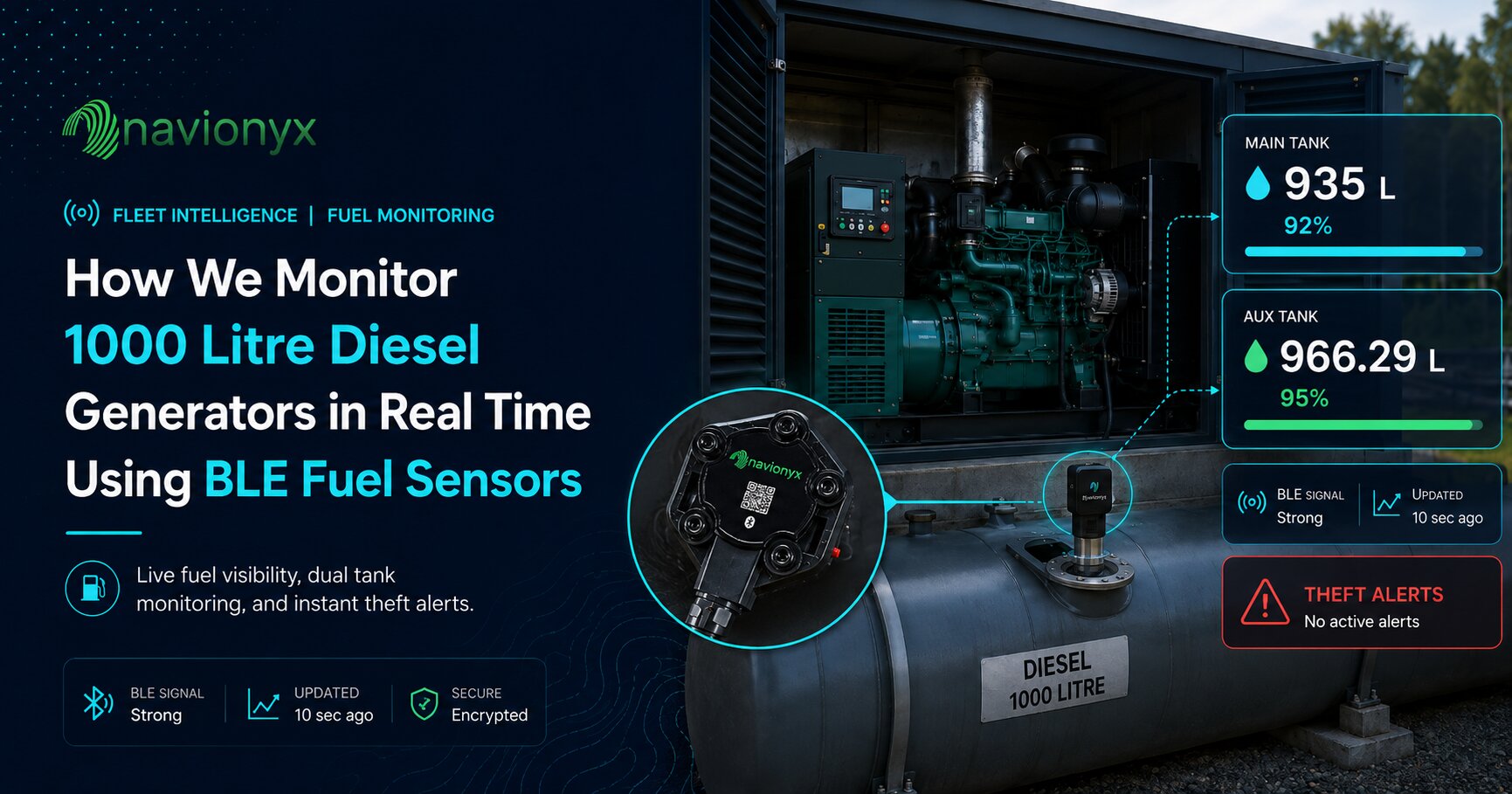
Fleet Intelligence · Fuel Monitoring
A ground-level look at how we installed the Escort TD-150 BLE sensor into a live generator tank and built real-time fuel visibility with theft alerts on top of it.
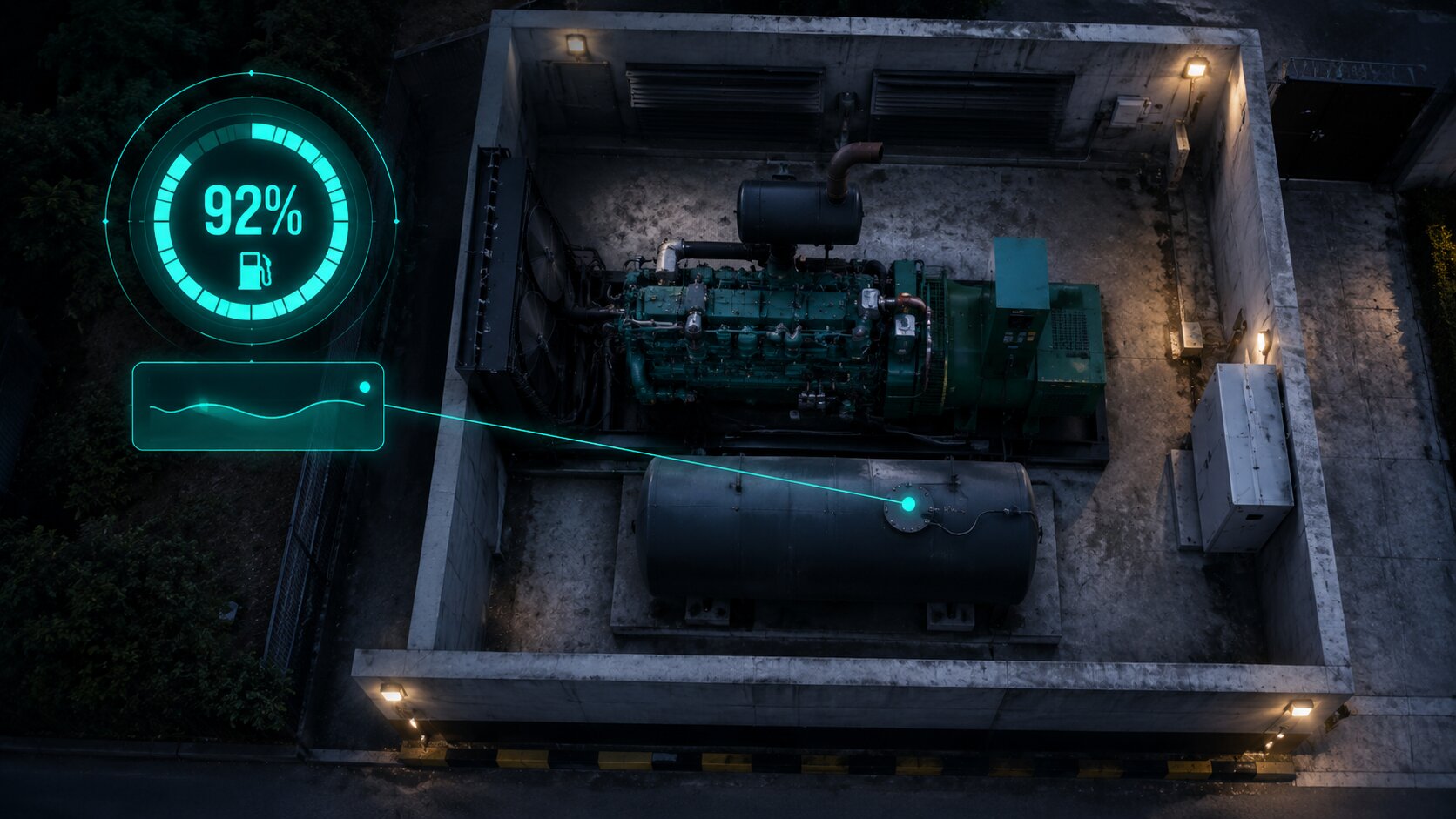
Every diesel generator owner faces the same uncomfortable reality. Someone fills the tank. Someone checks it again a few days later. The numbers do not add up. There is no log of what was consumed, no timestamp for when the level dropped, and no way to tell whether the loss was genuine runtime consumption or something that walked out in a jerry can at 2 AM.
This is not a small problem. Diesel in India currently averages around INR 88 per litre, and generators are not small consumers. A 1000 kVA genset running at half load burns roughly 70 to 100 litres per hour. At those rates, even a moderate daily pilferage across a portfolio of sites adds up fast. Telecom businesses in India are estimated to be the country’s second largest diesel consumers after the railways, and construction sites, hospitals, and commercial buildings sit right behind them.
We decided to solve this for our customers the right way: a calibrated capacitive sensor, linear mapping, real-time cloud telemetry, and configurable theft alerts. Here is exactly how we did it.
The Sensor Inside the Tank: Escort TD-150 BLE
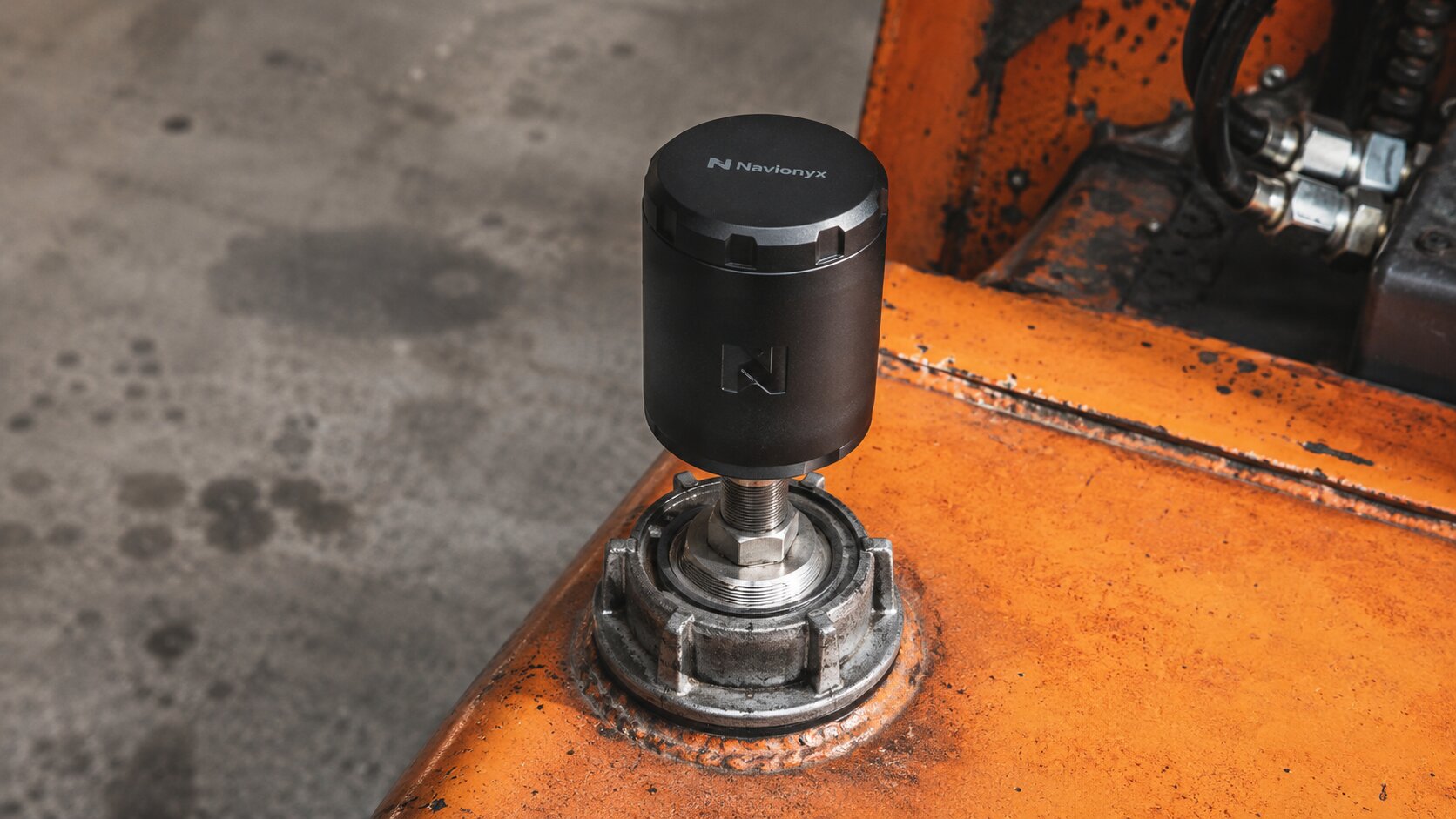
The hardware at the centre of this setup is the Escort TD-150 BLE, a high-precision capacitive fuel level sensor built for exactly this use case: stationary tanks, generators, and industrial storage. It carries an IP69 ingress protection rating and the OExiallBT6X explosion-protection certificate, which means it is rated for installation in potentially hazardous fuel environments.
Why Capacitive Sensing Matters Here
Unlike float-based sensors that stick, drift, or jam, a capacitive sensor measures the dielectric constant of the fuel column along the full length of the probe. The output is stable, repeatable, and accurate to within approximately 1% across the working range. For a 1000-litre tank, that is a measurement error of about 10 litres at worst, which is precise enough to reliably detect a 50-litre theft event.
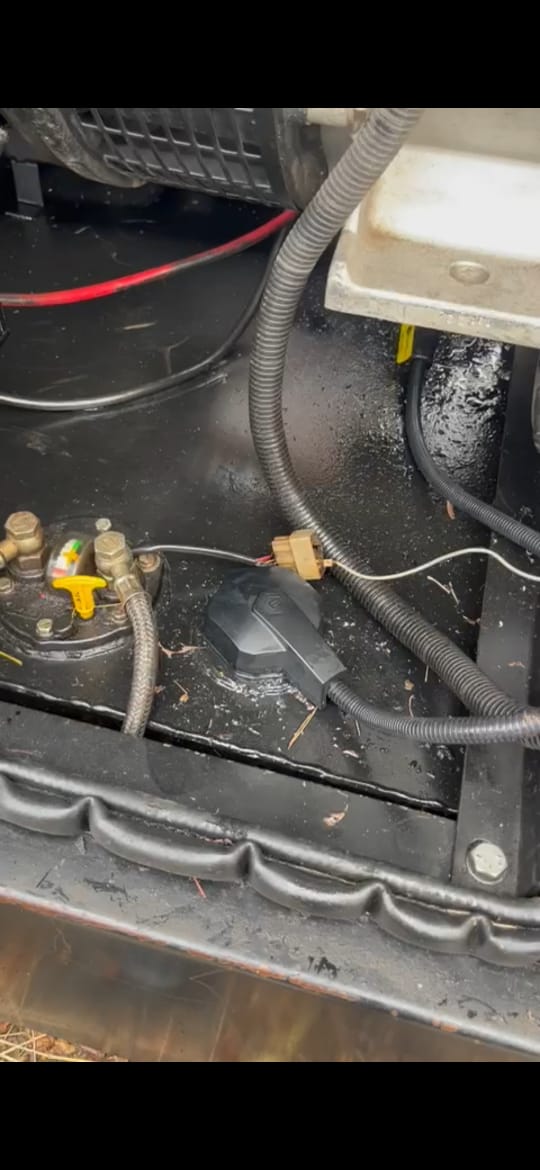
The physical installation involves a steel measuring tube inserted vertically through the tank cap opening, going all the way to the bottom of the tank. The sensor head sits at the top and is sealed to the cap flange. The length of the tube is cut or ordered to match the internal depth of the tank, so calibration is a genuine linear mapping from tube length to litres. There is no guesswork, no approximation from a float curve.
The BLE interface on the TD-150 allows the sensor to be configured and read directly through a mobile application, which made initial calibration on-site significantly faster. Our field technician could pour measured reference volumes into the tank and confirm the sensor reading in real time without needing a laptop or wired connection. Once calibrated, the sensor transmits continuously over RS-485 to our GPS telematics device, which pushes data to the Navionyx cloud every few seconds.
What the Navionyx Dashboard Shows in Real Time
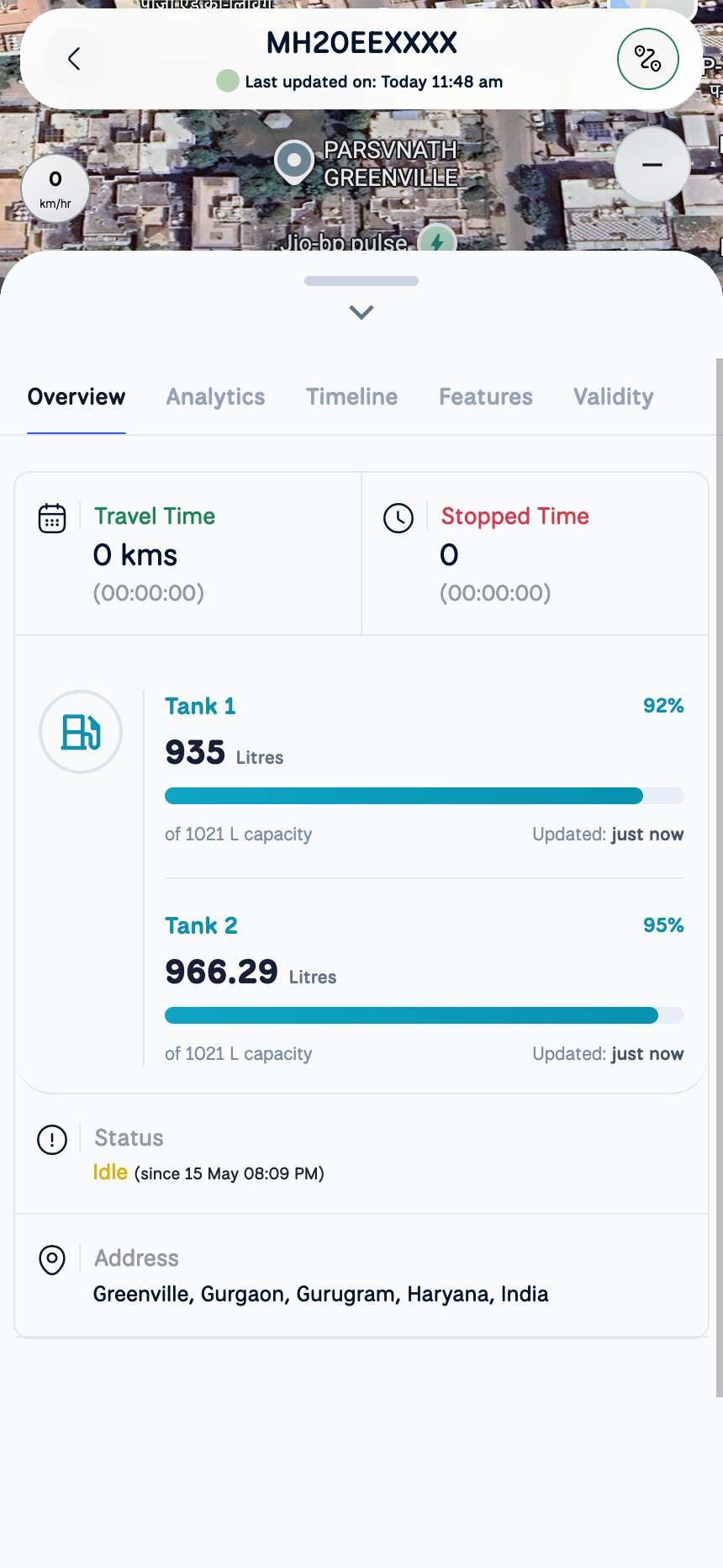
Once the sensor is installed and connected to the GPS unit, everything flows into the Navionyx live tracking and fuel intelligence dashboard. The overview screen shows the asset location on a satellite map, current speed (zero for a parked generator), and the key metric: fuel level across each connected tank in litres and percentage.
In our live deployment, we are monitoring two tanks simultaneously on the same asset. At the time of this article, Tank 1 reads 935 litres out of a 1021-litre capacity, or 92%. Tank 2 reads 966.29 litres, also out of 1021 litres, at 95%. Both readings updated in real time with a timestamp of “just now” at the moment we captured the dashboard screenshot.
935 L
Tank 1 Live Level
92% of 1021 L
966.29 L
Tank 2 Live Level
95% of 1021 L
0 Alerts
Theft Events Today
Clean monitoring run
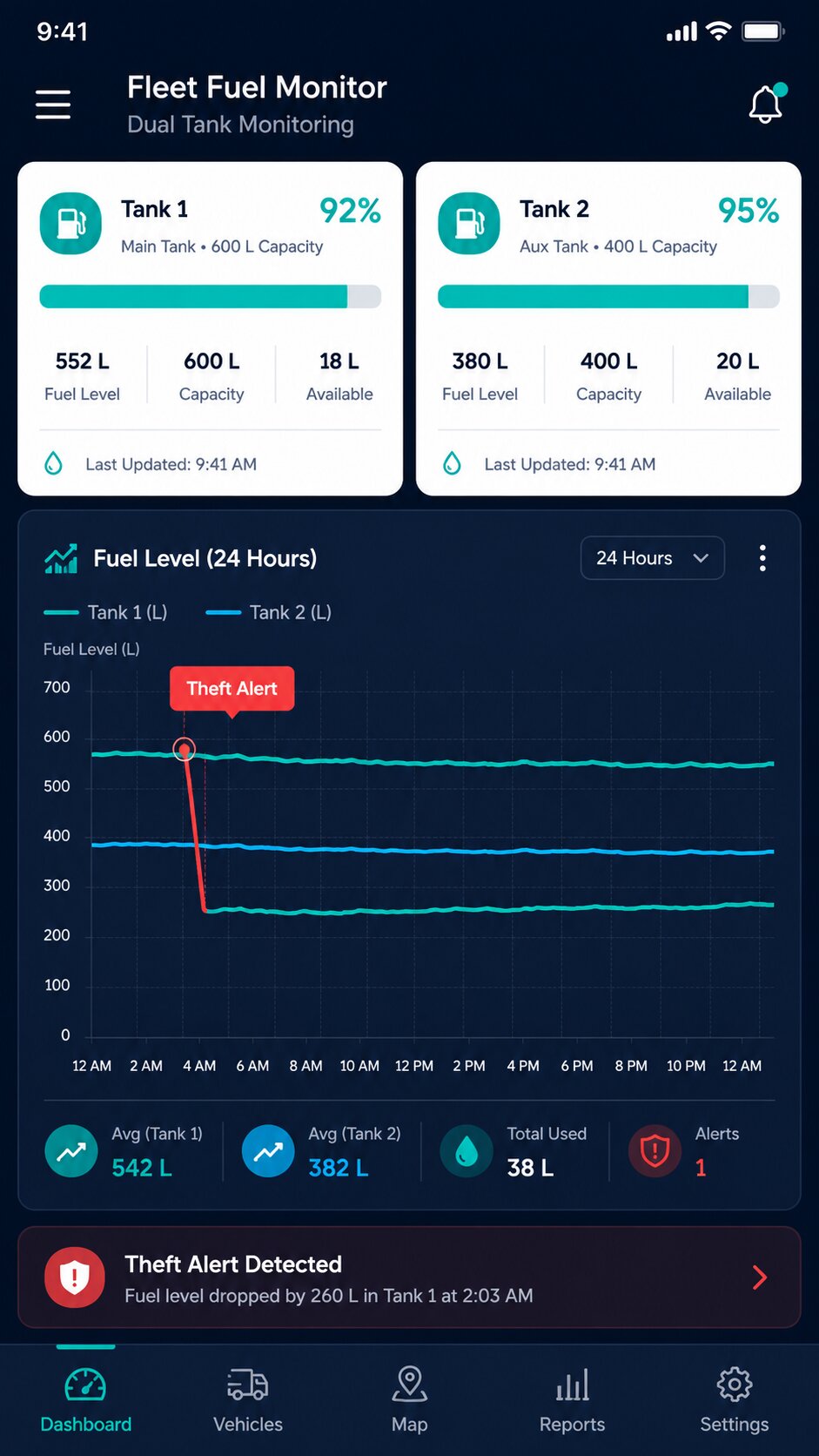
The Analytics tab gives a time-series fuel graph for the full day, with both tanks plotted on the same chart. The graph for our current deployment shows two flat parallel lines from midnight to mid-morning: a textbook healthy generator that has not been touched. The absence of any downward spikes is itself a data point. It tells the site supervisor, without a single phone call, that the generator has not run and the fuel has not moved.
How the Theft Alert System Works
The most important feature is not the live reading. It is the rule-based alert engine behind it. We configure an event rule for every generator we monitor. In the current deployment, the rule is set at 10 litres per 10 minutes. If the fuel level drops by more than 10 litres within any 10-minute window, the system classifies that event as a potential fuel drain and triggers an immediate alert.
This threshold is deliberately calibrated to be meaningful. A running generator consumes diesel slowly and steadily. The consumption curve on the fuel graph for a running genset is a gentle, continuous decline. A theft event, by contrast, looks entirely different: a sudden sharp drop, often 50 to 200 litres in a matter of minutes, depending on how much the perpetrator can extract before leaving. The 10 litres per 10 minutes rule does not fire on normal consumption. It fires on anomalous drains.
Theft Alert Logic
Trigger rule: Fuel level drops more than 10 litres in any 10-minute window
Alert delivery: Push notification to fleet manager or facility team mobile app
Fuel filling detection: Separate upward threshold detects refilling events so operators always have a complete record of inflows and outflows
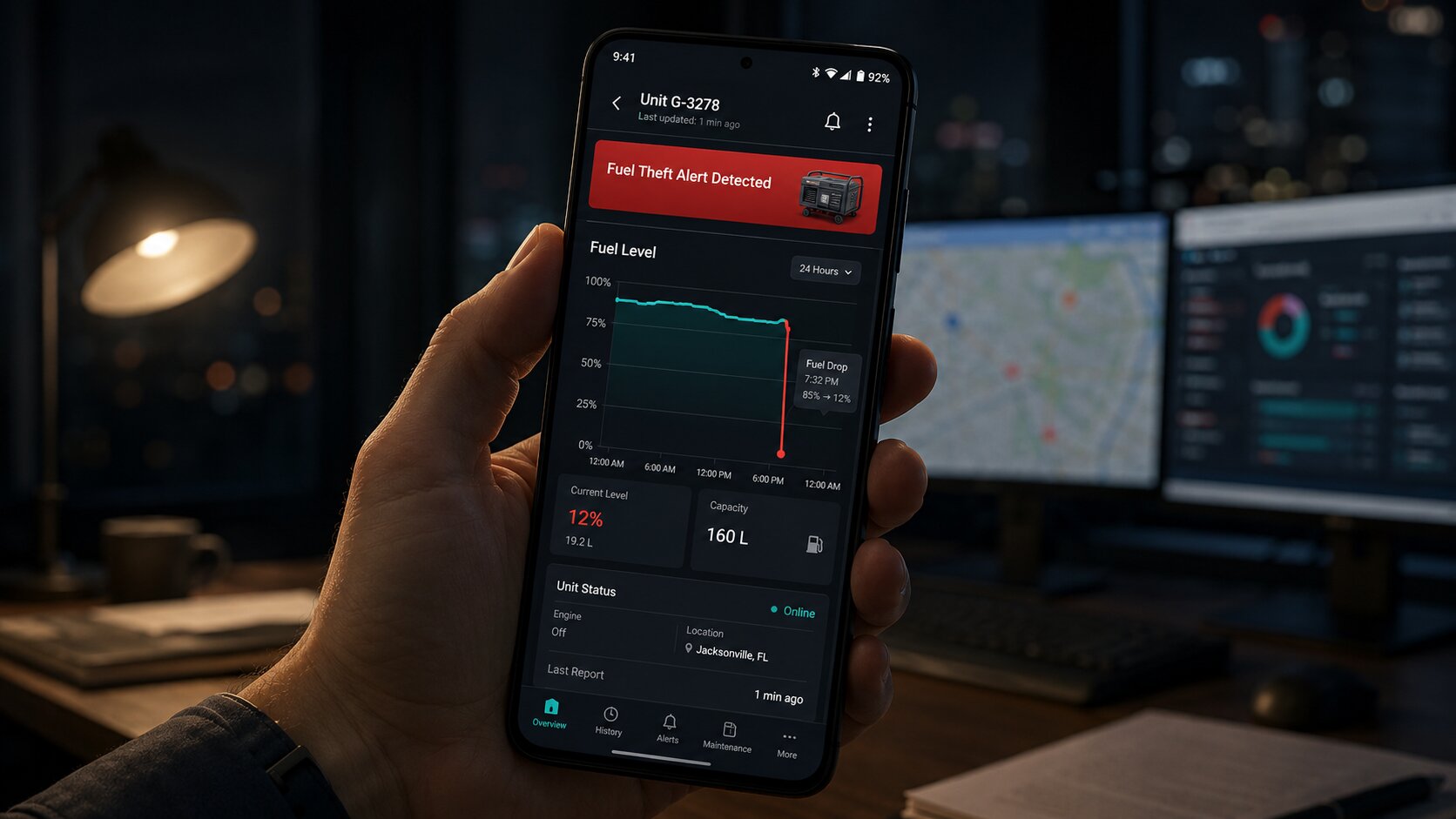
When a theft event fires, the person responsible for that site gets an instant push notification. The alert includes the asset name, the tank, the amount dropped, and the time of the event. They can open the app and see the exact fuel graph with the drain event marked, the GPS location of the generator, and the current remaining fuel level. There is no ambiguity and no delay.
The platform also separates fuel fillings from theft events. When a tanker arrives to top up the generator and the level rises by more than the configured threshold in a short window, that event is logged as a filling. This gives operators a clean audit trail: every litre added, every litre consumed, every litre that left unexpectedly.
Who We Built This For
The generator fuel monitoring use case cuts across several industries, and we have seen demand from all of them.
Telecom tower operators face this problem at massive scale. India has over 100,000 telecom towers, and the electricity for these towers is supplied by diesel generators. Tower companies managing thousands of remote sites have no practical way to physically verify fuel levels at each location. A centralised monitoring platform with automated theft alerts is the only viable approach at that scale.
Hospitals and healthcare facilities depend on generators as genuine life safety equipment. Healthcare facilities require uninterrupted power to ensure critical life-support systems function continuously. For them, the monitoring is not just about theft prevention. It is about ensuring the tank is not allowed to run low before the next scheduled fill, and having documentary proof of fuel management for compliance purposes.
Construction contractors often manage generators across multiple remote sites simultaneously, each with its own tank and its own exposure to pilferage. A single Navionyx account gives the project manager visibility across every site from one screen, with alerts that reach them wherever they are.
Real estate developers and commercial property managers running large residential or commercial complexes have generators as a shared asset. Monitoring adds accountability to the maintenance process and makes monthly diesel reconciliation something that takes minutes rather than a full audit exercise.

What Real-Time Visibility Actually Changes
The value of this system is not just catching a theft after it happens. The more important effect is deterrence and accountability before any incident occurs. When site staff know that every litre is being tracked in real time and that any unexplained drop will trigger an immediate alert to management, the environment around the generator changes. The physical presence of the sensor and the GPS device is a visible signal that the asset is monitored.
Beyond security, the data becomes genuinely useful for operations. Fuel consumption patterns across sites become comparable. Maintenance teams know in advance when tanks need topping up. Billing disputes with diesel vendors become resolvable with timestamped data. Finance teams can reconcile consumption against invoices with confidence.
We have now deployed this setup across multiple sites and are actively expanding it. If you are managing generators at scale and would like to see exactly what we showed in this article working at your location, we are happy to walk you through it.
This article was researched and written with AI assistance and reviewed by the Navionyx team. All dashboard data and sensor installation photos shown are from live Navionyx deployments.
Want This Running at Your Generator Site?
We will handle the sensor installation, calibration, and platform setup. You get live fuel visibility and theft alerts from day one. Talk to the Navionyx team and we will scope it out for your site.
Book a Free Demo